Nutrients, emerging contaminants and N₂O emissions
The nitrogen and phosphorus that must come out of the water, the pharmaceuticals and pesticides that travel with them, and the greenhouse gas that escapes while treating them.
Read the line →Universidad de los Andes · Santiago, Chile
A third of the planet drinks groundwater, and in Chile four in ten urban areas — and three in four rural ones — depend on it. We work on the biological processes that make treating it better, and on recovering the nitrogen, phosphorus and energy that are lost along the way.
Who we are
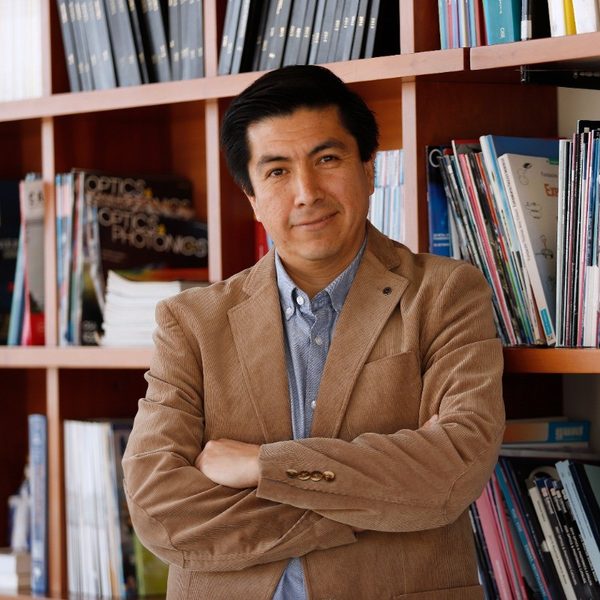
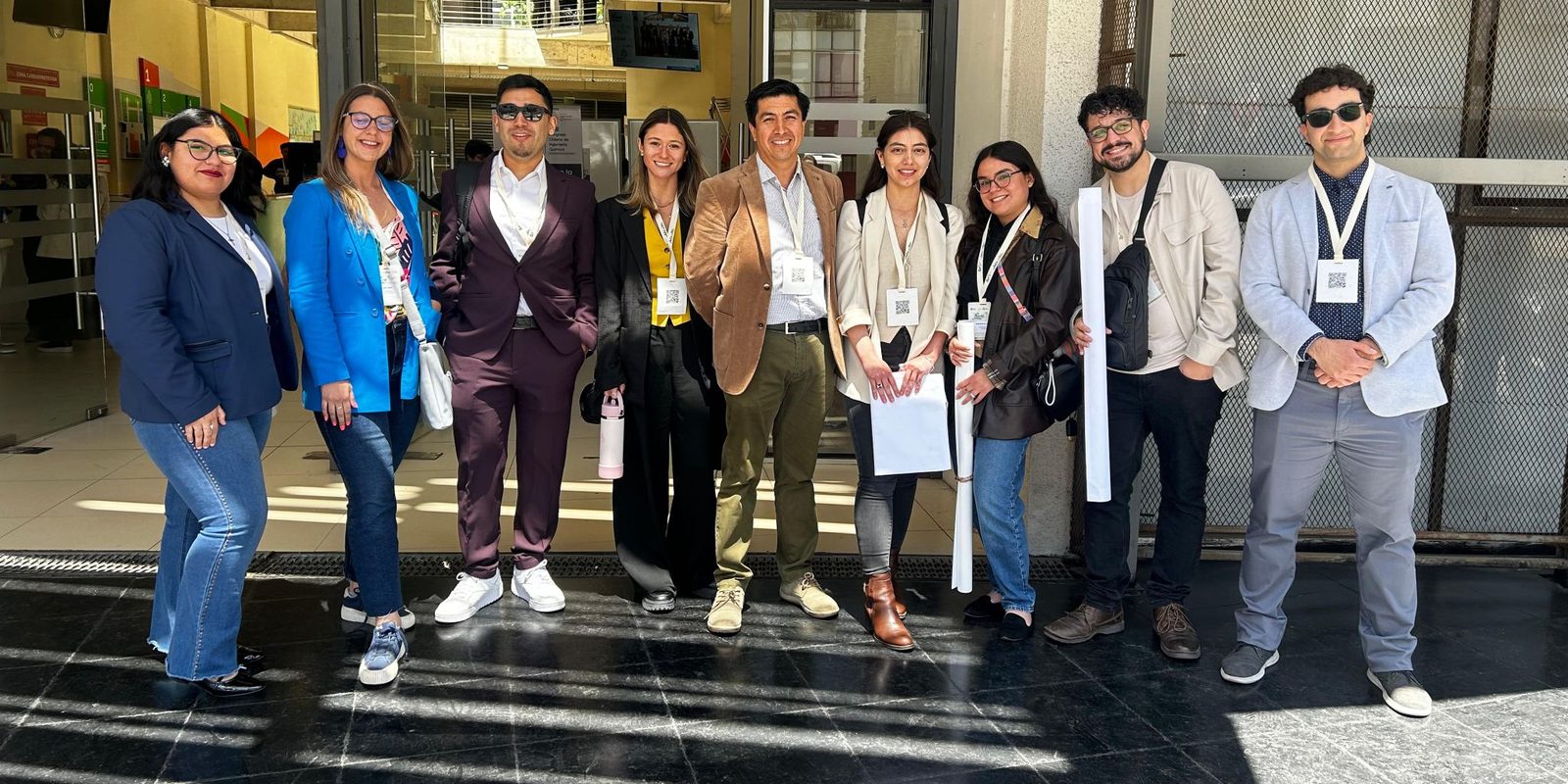
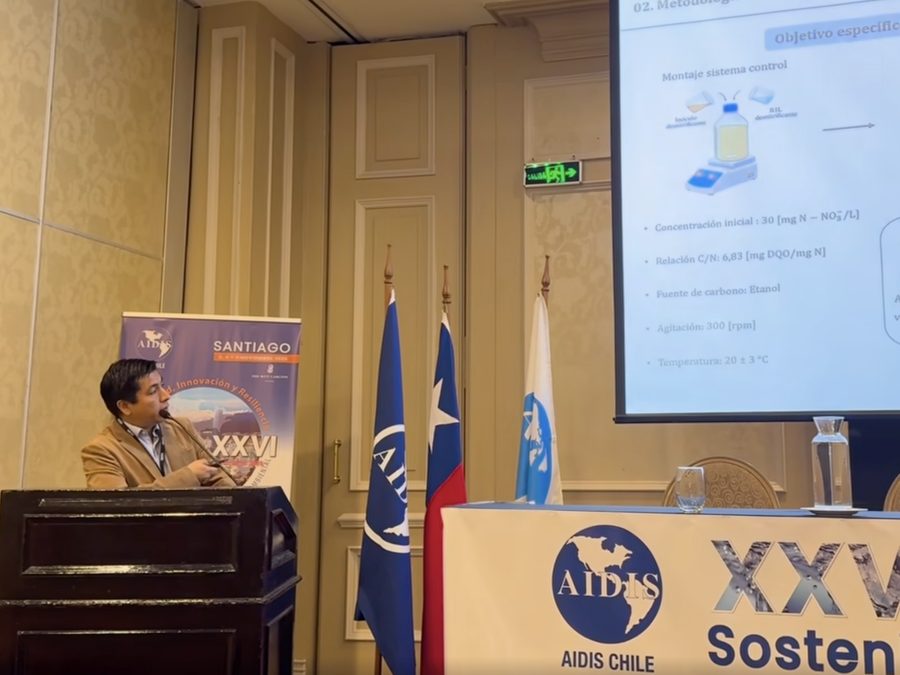
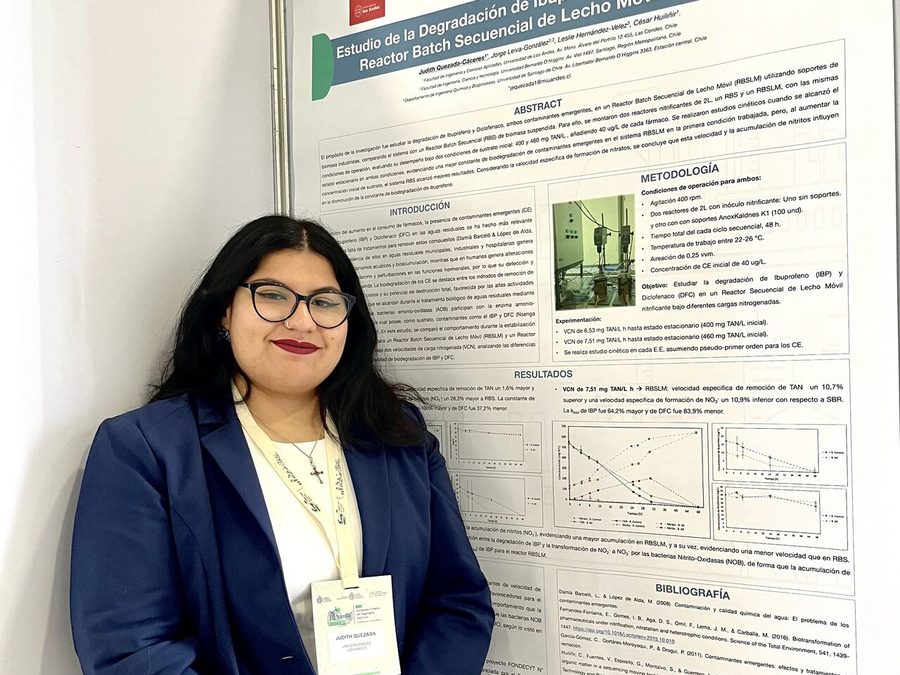
G-Tech is a research group at the Faculty of Engineering and Applied Sciences, Universidad de los Andes, within the Environmental Process Engineering research line. We put microorganisms to work in reactors to treat water and waste, and study what happens inside them precisely enough to take it to real scale.
The scope runs from groundwater contaminated with nitrate and pharmaceutical residues, to the sludge leaving treatment plants and the reject streams of desalination. In every case the same question returns: how to treat using less energy, and how to recover the nitrogen, phosphorus, sulfur and biogas that are discarded today.
We move on two fronts at once — reactors in the lab and computational simulation — because a process you do not understand cannot be scaled up.
What we study
Three questions that run through everything we do.
The nitrogen and phosphorus that must come out of the water, the pharmaceuticals and pesticides that travel with them, and the greenhouse gas that escapes while treating them.
Read the line →A reactor is a flow, a biofilm and a reaction happening at once. Simulating it is what explains why it performs the way it does.
Read the line →Sludge is the residue of water treatment and, at the same time, a source of energy and nutrients. The difference lies in the pretreatment.
Read the line →Ongoing
Fondecyt Regular · 2026–2029
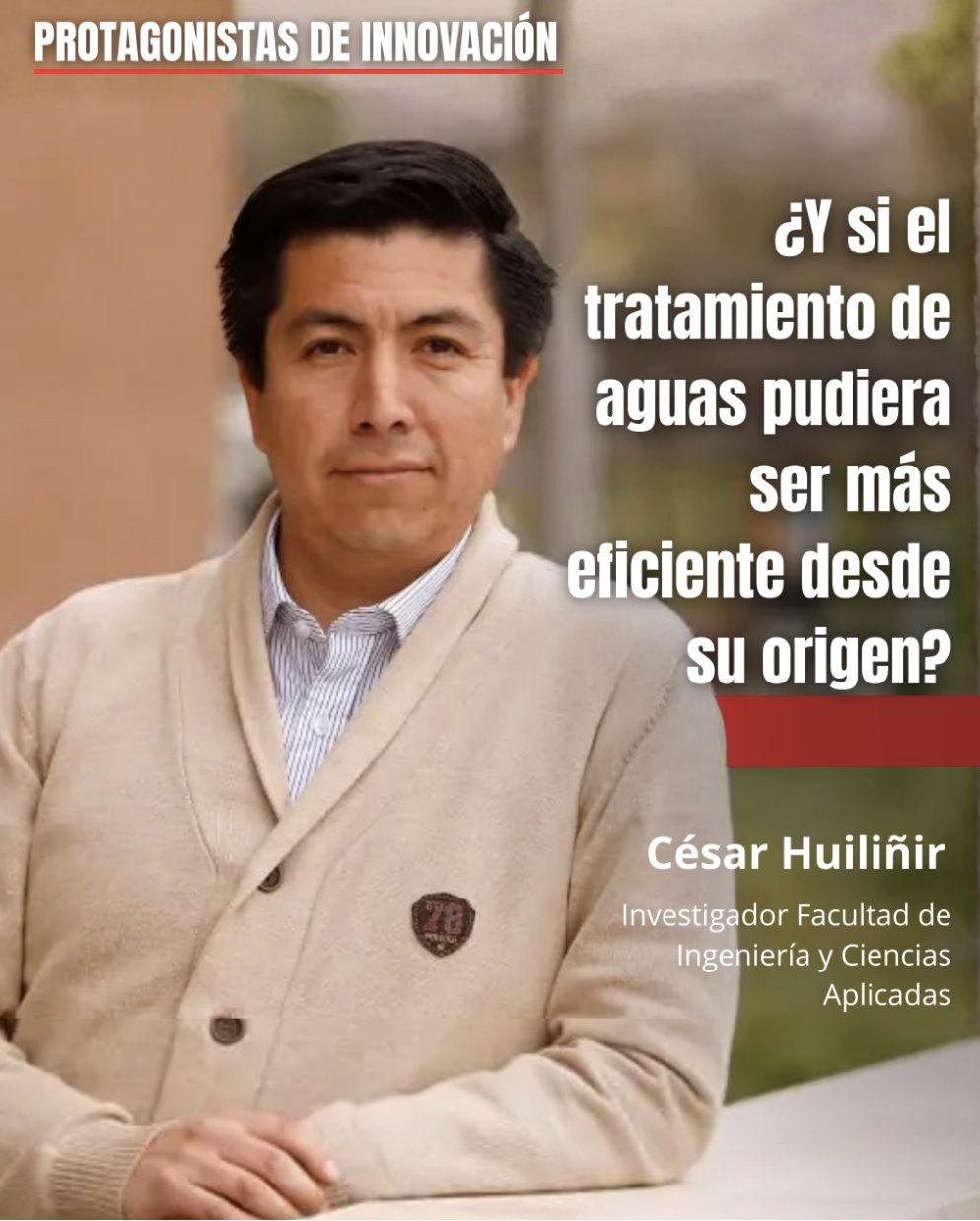
Principal Investigator: César Huiliñir Curío · chuilinir@miuandes.cl
Fondecyt de Postdoctorado N.º 3250412 · 2025–2028
Principal Investigator: Felipe A. Carreño López · facarreno@miuandes.cl
Published
We are looking for students in chemical, environmental or related engineering with an interest in water treatment, biological processes or numerical simulation — for undergraduate theses as well as master's and doctoral work. No prior experience needed: curiosity and a willingness to get your hands on a reactor or a codebase are enough.
Support